Starting your workout journey as a beginner can feel overwhelming. With so many exercises, gym machines, and conflicting advice online. This makes it easy to get confused or even discouraged. But here’s the truth: you don’t need fancy equipment or complex routines to begin. What matters most is building consistency, focusing on form, and progressing step by step.
This guide will walk you through how a beginner should start working out, including tips, starter routines, and mistakes to avoid.
Do you want to start your fitness journey now? You can hire any of our top fitness trainers anytime and from anywhere.
Step 1: Define Your Fitness Goals
Before you even pick up a dumbbell or do your first push-up, ask yourself, “What do I want to achieve?”
- Do you want to lose weight?
- Build muscle and strength?
- Improve endurance and overall fitness?
- Just feel healthier and more confident?
Your goals will determine the type of workouts you should focus on. For example, strength training is key for muscle building, while cardio is great for endurance and fat loss.
Step 2: Start with the Basics (No Equipment Needed)
As a beginner, bodyweight exercises are your best friend. They teach you form, balance, and control. All while reducing the risk of injury.
Here’s a simple beginner workout routine you can try at home:
- Push-Ups (3 sets of 8–12 reps)
- Works chest, shoulders, and arms.
- If too hard, start with knee push-ups or wall push-ups.
- Squats (3 sets of 12–15 reps)
- Strengthens legs and glutes.
- Keep your back straight and don’t let your knees cave in.
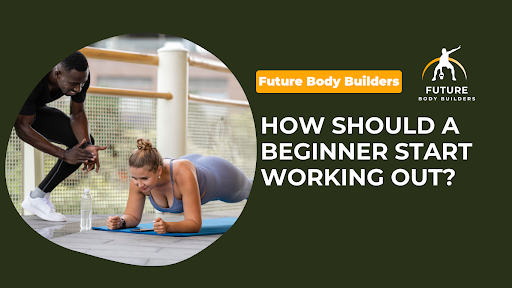
- Plank (3 sets, 20–30 seconds)
- Builds core strength and stability.
- Focus on holding proper form rather than going too long.
- Lunges (3 sets of 10 reps per leg)
- Builds leg muscles and balance.
- Step forward slowly and keep your chest lifted.
- Glute Bridges (3 sets of 12–15 reps)
- Strengthens glutes and lower back.
- Helps improve posture if you sit a lot.
Start with 3 workouts per week, resting a day between sessions.
Step 3: Learn Proper Form
One of the biggest mistakes beginners make is rushing through exercises without proper form. This can lead to injuries and slow progress.
Tips to master form:
- Watch tutorial videos or train in front of a mirror.
- Go slow; controlled movements engage muscles better.
- Don’t worry about reps at first; focus on quality over quantity.
Step 4: Balance Strength, Cardio, and Flexibility
For all-round fitness, beginners should aim to combine:
- Strength Training (3 times per week): This builds muscle and burns fat.
- Cardio (2–3 times per week): This brisk walking, jogging, skipping, or cycling for heart health.
- Stretching or Yoga (daily, even 5–10 minutes): This improves flexibility and reduces soreness.
Step 5: Listen to Your Body
Soreness is normal, but sharp pain is not. Start light, and gradually increase intensity. Remember: fitness is not about killing yourself on day one but about small, consistent wins.
- If you feel too tired, rest.
- Progress slowly, then add reps, sets, or small weights weekly.
- Don’t compare yourself to advanced gym-goers.
Nutrition: Fuel Your Beginner Workouts
Exercise is only half of the journey. Nutrition fuels recovery and progress.
- Eat protein-rich foods (chicken, eggs, beans, fish) to build muscle.
- Include complex carbs (brown rice, oats, and sweet potatoes) for energy.
- Don’t skip healthy fats like avocados, nuts, and olive oil which support hormones.
- Stay hydrated; water keeps your body functioning properly.
Common Beginner Mistakes to Avoid When You Start Working Out
- Doing too much, too soon, leads to burnout or injury.
- Skipping warm-ups and cool-downs increases the risk of muscle strain.
- Comparing yourself to others, your journey is unique.
- Focusing only on abs, core strength comes from full-body training.
- Not being consistent; consistency beats intensity every time.
A Sample 7-Day Beginner Schedule
- Day 1: Full body strength (push-ups, squats, lunges, plank)
- Day 2: Light cardio (brisk walk, jog, skipping)
- Day 3: Rest or yoga/stretching
- Day 4: Full body strength (same as Day 1)
- Day 5: Cardio (cycling, jogging, dancing)
- Day 6: Strength + Core focus (plank, glute bridges, side planks)
- Day 7: Rest and recovery
Conclusion: How Should a Beginner Start Working Out?
As a beginner, the best way to start working out is to keep it simple, focus on form, and stay consistent. You don’t need a gym membership or fancy equipment to begin. All youneed is just commitment and the willingness to move your body regularly.
If you want a structured guide designed for your fitness level, you can book a free personalized fitness consultation with us. This will help you get a clear, tailored plan that makes your workouts more effective and enjoyable. And to stay motivated, inspired, and connected, follow us on our various platforms.
Do you want to start your fitness journey now? Remember, every expert once started as a beginner. Your first step today is the foundation for your future transformation.