
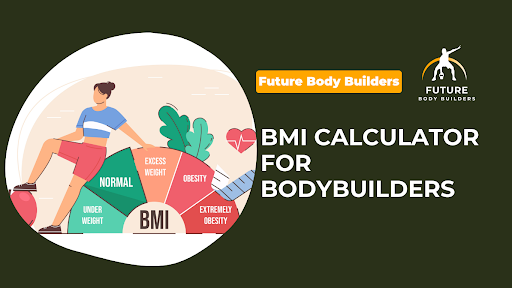
Body Mass Index (BMI) is often one of the first numbers people use to gauge their health. However, bodybuilders face a unique challenge: the traditional BMI formula doesn’t differentiate between fat and muscle. A lean, muscular body may result in a BMI categorized as “overweight” or even “obese,” even if body fat is low and cardiovascular health is excellent. This will help you track your muscle and health accurately.
In this post, we’ll break down how bodybuilders can use BMI correctly, what numbers actually mean, and how to track progress without getting discouraged by misleading metrics.
Do you want to start your fitness journey now? You can hire any of our top fitness trainers anytime and from anywhere.
What is BMI?
BMI, or Body Mass Index, is calculated using a simple formula:
BMI = weight (kg)/{height (m)}^2
For the general population:
- Underweight: BMI < 18.5
- Normal weight: BMI 18.5–24.9
- Overweight: BMI 25–29.9
- Obese: BMI 30+
You can calculate your BMI with ease using our BMI calculator.
While useful as a population-level tool, BMI doesn’t distinguish between muscle, bone, and fat. That’s why bodybuilders may appear “overweight” on paper, even if they have 10–15% body fat.
Why Bodybuilders Should Not Rely Solely on BMI
Bodybuilders have higher lean mass and lower fat percentages than the average person. Using BMI alone can be misleading because:
- Muscle weighs more than fat: A muscular individual will weigh more than someone of the same height with lower muscle mass.
- Bone density can elevate BMI: Strength training increases bone density. This adds to body weight.
- BMI doesn’t reflect aesthetics or performance: Health and progress are better measured through body composition, strength, and endurance.
How to Use a BMI Calculator Correctly as a Bodybuilder
To track progress effectively:
- Combine BMI with Body Fat Percentage
- Men: 6–13% body fat is considered athletic; 14–17% is fit.
- Women: 14–20% is athletic; 21–24% is fit.
A bodybuilder with low fat but high BMI is likely healthy.
You can also calculate your body fat percentage on our site as quickly as possible with ease.
- Track Trends Instead of Absolute Numbers
- Use BMI as a trend indicator rather than a judgment. Increasing lean mass may raise BMI while lowering body fat, which is a positive outcome.
- Use BMI as a trend indicator rather than a judgment. Increasing lean mass may raise BMI while lowering body fat, which is a positive outcome.
- Include Muscle-to-Fat Ratio
- Consider using lean body mass (LBM) calculators or tools that factor in muscle to get a complete picture.
Best BMI Calculators for Bodybuilders
Here are some reliable tools tailored for athletic bodies:
- Future Body Builders BMI Tool
- Calculates BMI with a lean mass adjustment.
- MyFitnessPal Body Composition Tracker
- Tracks BMI, muscle mass, and fat percentage simultaneously.
- ACE Healthy Weight Calculator
- Offers options to adjust for athletic body types and gives recommended ranges for athletes.
- Caliper & Tape Method
- While not strictly a calculator, measuring skinfold thickness can help adjust BMI results for muscle.
Common Misconceptions
- “BMI over 25 means I’m fat.” Not necessarily; a bodybuilder with a low fat percentage may have a higher BMI but is perfectly healthy.
- “BMI is useless for athletes.” It’s still useful for tracking trends and health risks but should be paired with other metrics.
- “I should only track weight.” Weight alone can be misleading, muscle growth may show as weight gain even when fat decreases.
Practical Tips for Bodybuilders
- Measure Monthly: Track BMI, body fat percentage, and waist-to-hip ratio consistently.
- Use Progress Photos: Visual changes often give a clearer picture than numbers alone.
- Incorporate Strength Metrics: Track lifts, endurance, and performance to complement body metrics.
- Avoid Overemphasizing the Number: Focus on health, performance, and aesthetic goals rather than a single BMI figure.
- Set Personalized Targets: Use personalized workout consultations to determine ideal body composition and adjust nutrition accordingly.
Example: How a BMI Can Mislead
Suppose a 1.75m tall male bodybuilder weighs 85kg:
BMI =85/75^2
= 27.8
According to standard BMI charts, this is “overweight.” But if his body fat is 10% and lean mass is high, this BMI is perfectly normal for an athlete, highlighting why BMI needs context.
Combining BMI with Nutrition and Training
- Nutrition: High protein intake supports lean mass. Track macronutrients for optimal results.
- Training: Resistance training and progressive overload enhance muscle growth. This potentially raises BMI but improves health.
- Recovery: Proper sleep and recovery prevent fat gain while promoting lean mass.
Conclusion: BMI Calculator for Bodybuilders
A BMI calculator for bodybuilders is a tool, not a verdict. Used alongside body fat percentage, waist-to-hip ratio, strength metrics, and progress photos, it provides valuable insight into your fitness journey.
If you want personal guidance on tracking BMI, lean mass, and achieving your ideal physique, book a free personalized fitness consultation with us. Stay motivated, measure progress accurately, and connect with more trusted fitness advice on our various platforms.